by Greg Reynolds
Much background material is covered in my article about collecting circulated bust dimes by design type. Circulated bust dimes are much less expensive and generally more available. MS-64 to -66 grade coins are Choice to Gem Uncirculated, really attractive and technically superior coins that fared well since being born in a bygone era. Collectors of MS-64 to -66 grade bust dimes tend to focus on condition rarity and the eye appeal of their respective sets.
This discussion is part of a series on completing a type set of regular issue, silver U.S. dimes. I remind everyone that the front of a coin is called the obverse, and the back is the reverse. The first four of thirteen design types are considered here.
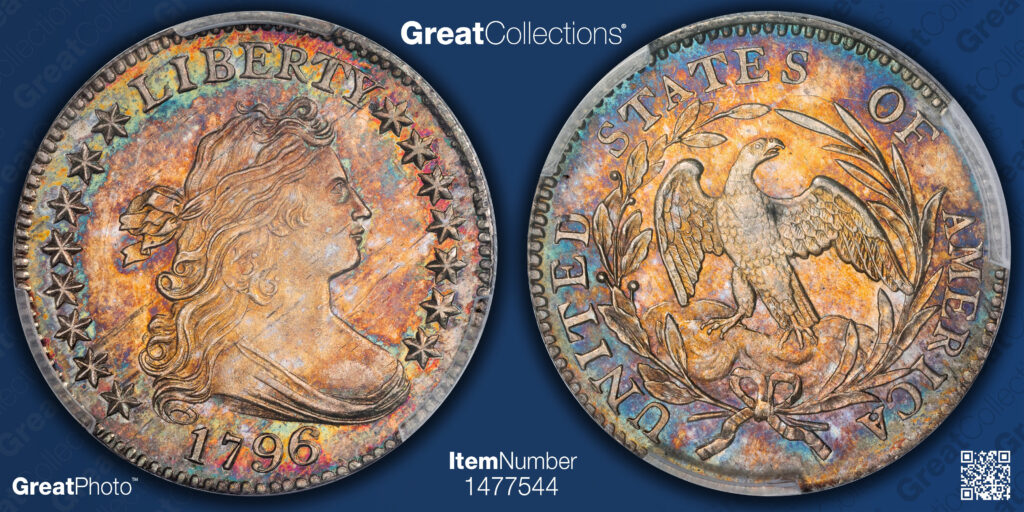
1. Draped Bust Obverse, Small Eagle Reverse (1796-97)
2. Draped Bust, Heraldic Eagle (1798-1807) — Also called ‘Large Eagle’
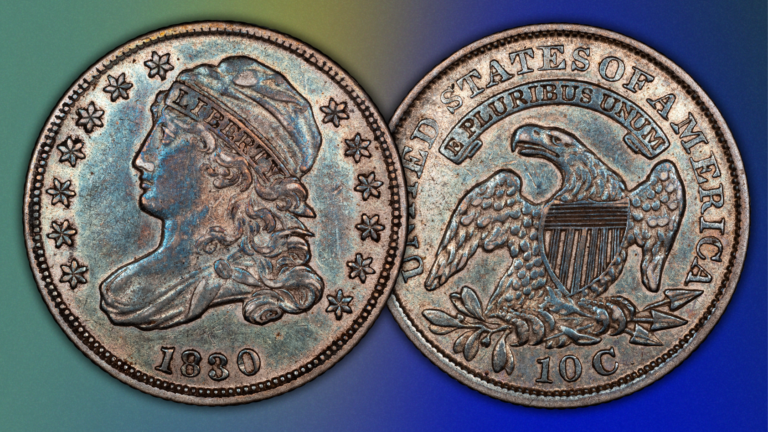
3. Capped Bust, “Large” (1809-28) – design credited to John Reich
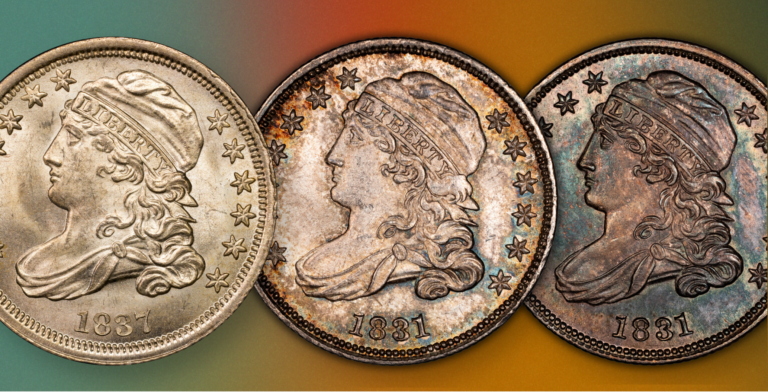
4. Capped Bust, “Small” (1828-37) – modified design & new minting technology
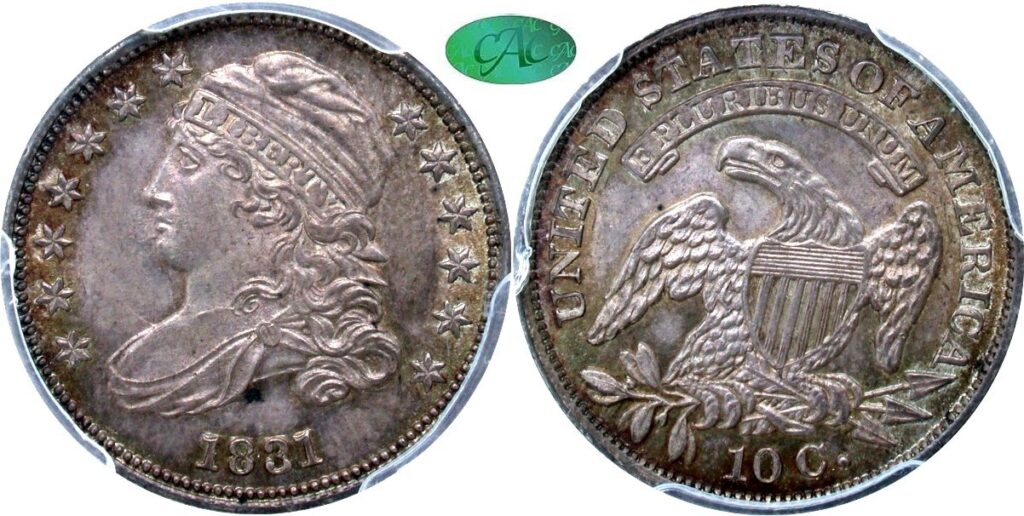
As Capped Bust dimes are less expensive and not as scarce as Draped Bust dimes, many collectors seek Capped Bust dimes before pursuing Draped Bust dimes.
Type #3 – Reich Capped Bust Dimes (1809-1828)
In my article on circulated bust dimes by design type, I explained that the Capped Bust dimes of 1809 to 1828 are different enough from the Capped Bust dimes of 1828 to 1837 such that they are two separate design types. The design was substantially modified, almost certainly by William Kneass, and it is considerably different from the Reich Capped Bust Dimes of 1809 to 1828. Indeed, it is artistically distinct.
John Reich designed Classic Head large cents (1808-14), Capped Bust quarters (1815-28), ‘Lettered Edge’ half dollars (1807-36), Bust Left $2.5 gold coins (1808) and Bust Left $5 gold coins (1807-12). Some reverse designs of subsequent types are generally or partially credited to Reich.
Additionally, new minting technologies were employed in Philadelphia during 1828 and shortly afterward that affected the rims, edge and overall ‘look and feel’ of the coins. Kneass dimes of 1828 to 1837 and Kneass quarters of 1831 to 1838 have artistic and physical characteristics that distinguish themselves from their predecessors.
For a type set of dimes, 1821 ‘Large Date,’ 1825 or 1827 dimes are often selected. Usually, however, collectors do not have many options, if a Choice to Gem type set is to be assembled in a reasonable amount of time. In MS-64 to -66 grades, Reich Capped Bust dimes are far rarer than most interested collectors and dealers realize. It is hard to find a representative of any date in MS-64 to -66 grades.
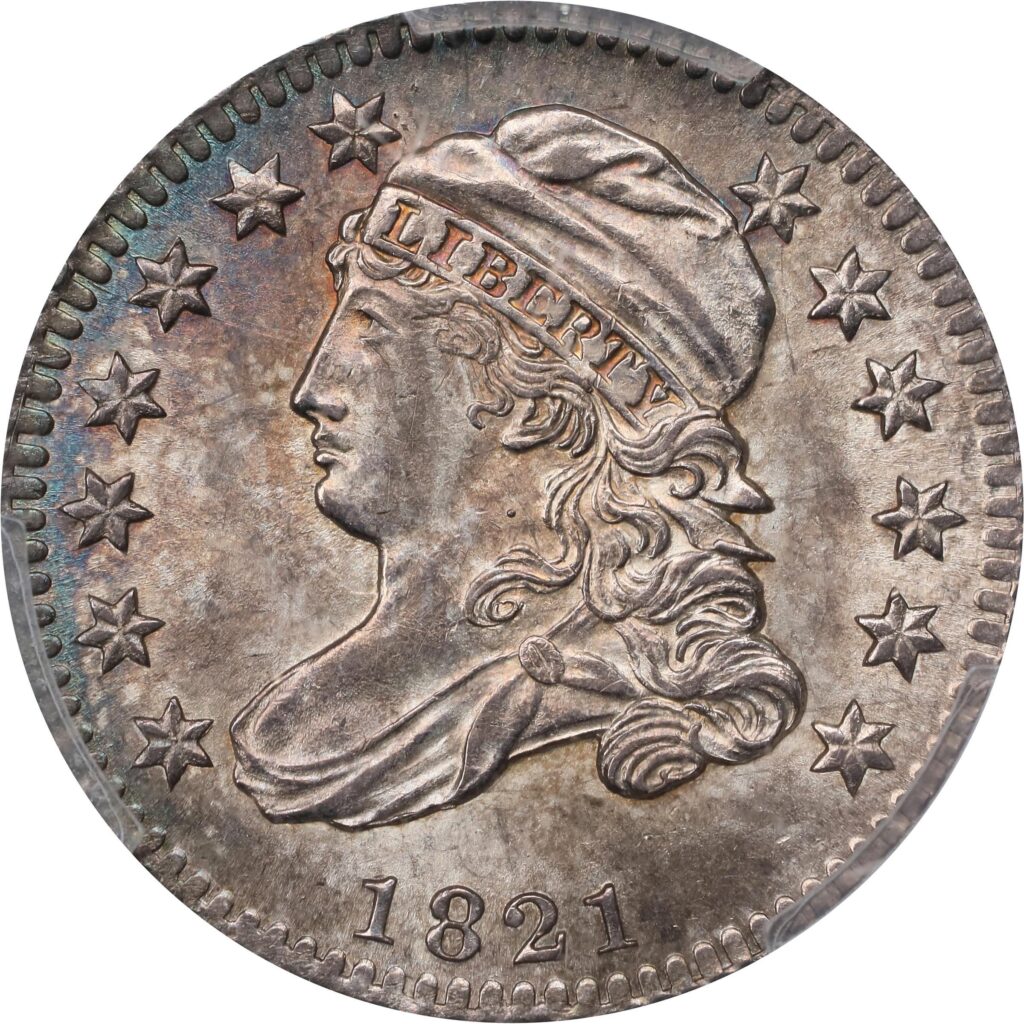
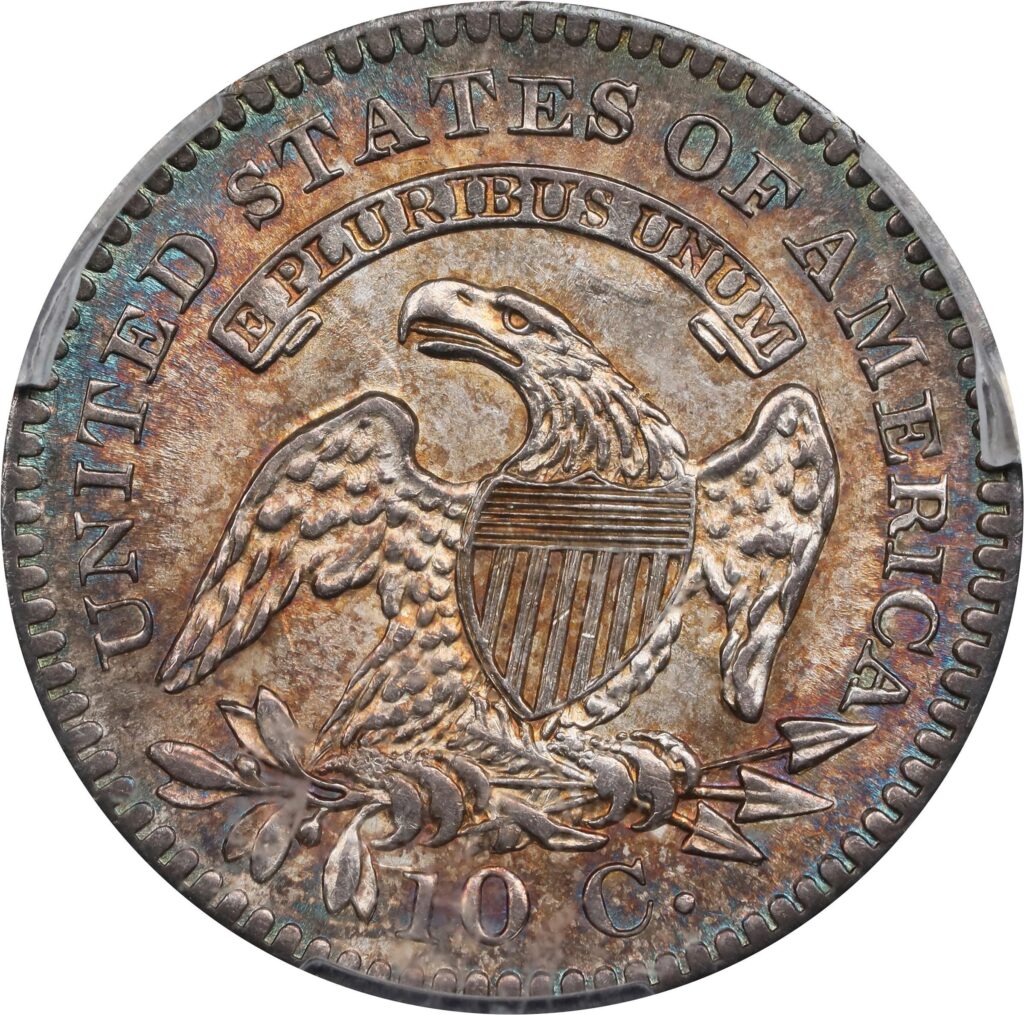
On Aug. 29, 2025, Stack’s Bowers auctioned a PCGS graded MS64+ 1821 ‘Small Date’ dime, with a CAC sticker, for $7,200. On average, the 1821 ‘Small Date’ is worth more than an equivalent 1821 ‘Large Date’ dime. The ‘Small’ and ‘Large Date’ varieties relate to the size of the numerals in the year ‘1821’ on the obverse.
On Jan. 10, 2024, Heritage sold a CAC approved MS-64 grade 1823/2 overdate for $8,100. The 1823/2 commands a premium over the 1821 ‘Large Date,’ 1825 or 1827.
In January 2022, Gerry Fortin Rare Coins sold a CAC approved MS-64 grade 1827 for $4,750. In May 2022, Heritage sold a PCGS graded MS64+ 1827, with a CAC sticker, for $5,760. Experts at the CAC office in New Jersey ignore the plus aspect of plus grades assigned by PCGS or NGC. It is thus not revealed as to whether they graded this coin as MS64+ or just as MS64. If this coin is submitted to the CAC location in Virginia Beach, it may possibly be graded MS64+ and placed in a CACG holder.
Gem MS65 to MS66 Reich Capped Bust Dimes
In the MS65 grade range the total CAC population of Reich Capped Bust dimes (1809-28) is thirty-two. It may not be easy to acquire one in the near future.
On Jan. 19, 2025, Heritage auctioned a CAC approved MS-65 grade 1814 dime for $21,600. On Feb. 9, 2023, Heritage sold a CAC approved MS-65 grade 1821 ‘Large Date’ dime for $22,800.
On Aug. 28, 2025, Heritage auctioned a CAC approved MS-65 grade 1827 for $18,600. On Aug. 24, 2022, Heritage auctioned this same coin for $22,800. It was then in Tom Bender’s Collection. I was very impressed by this coin’s deep natural toning and originality overall. I wrote multiple reviews about the auctions of the Tom Bender Collection.
Regarding Reich Capped Bust dimes, which date from 1809 to 1828, CAC has approved just eleven coins in the MS-66 grade range. As of Nov. 1 2025, the CPG-CAC value estimates for some or all of these are too low. I suggest consulting an expert before buying a MS-66 grade type 3 dime, or just seeking a MS-65 or MS-64 grade coin.
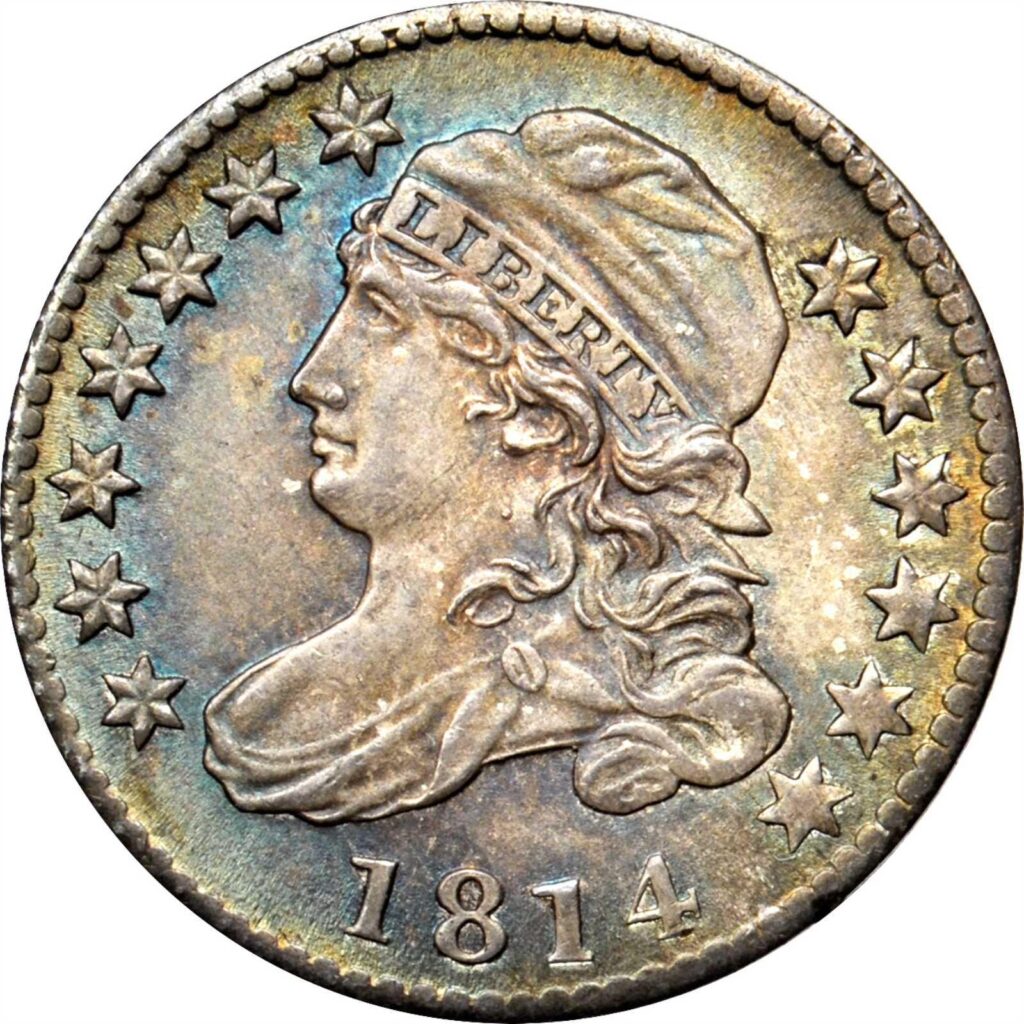
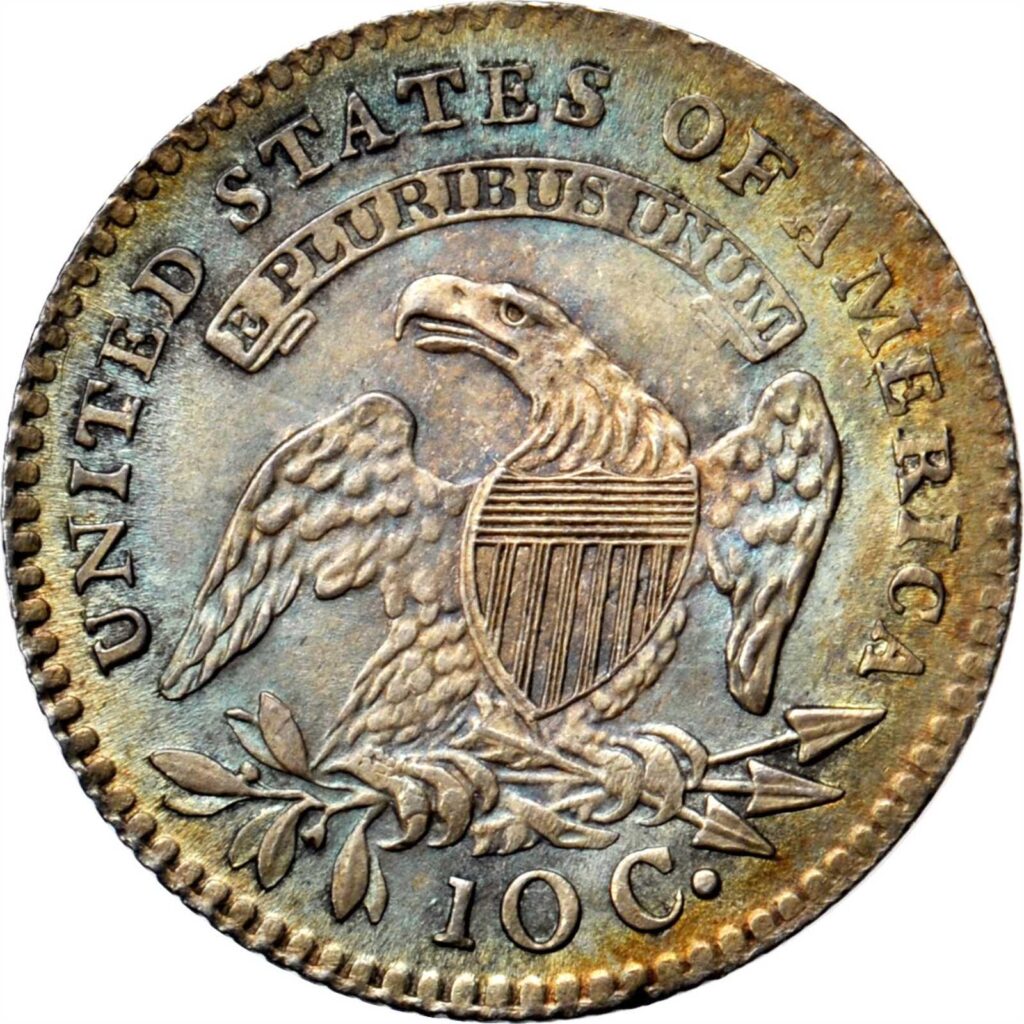
One of my favorite dimes of this type is a CAC approved MS-66 grade 1814 ‘Large Date’ dime that was in the collection of Doug Kaselitz. It was more than very attractive with great blue and green tones. In July 2015, Stack’s Bowers auctioned the Kaselitz 1814 dime for $58,750.
Type #4 – Kneass Capped Bust Dimes (1828-1837)
It is much easier to find MS-64 to MS-66 grade type #4 dimes than type #3 dimes. Even so, there is much collector demand for these, and they are often not readily available.
I list some auction results here to provide an idea of market values, though there are several variables that may affect an auction price or a dealer’s asking price. It is a good idea to seek information and opinions from multiple sources.
In August 2023, Stack’s Bowers auctioned a CAC approved MS-64 grade 1830 dime for $3,000. In March 2022, Gerry Fortin sold a CAC approved MS-64 grade 1831 for $3,250.
On April 4, 2025, Heritage sold a CAC approved MS-64 grade 1832 dime for $2,880. On Aug. 16, 2023, Stack’s Bowers sold a different CAC approved MS-64 grade 1832 dime for this same price, $2,880. On Nov. 2, 2022, Stack’s Bowers auctioned a CAC approved MS-64 grade 1834 dime, also for $2,880.
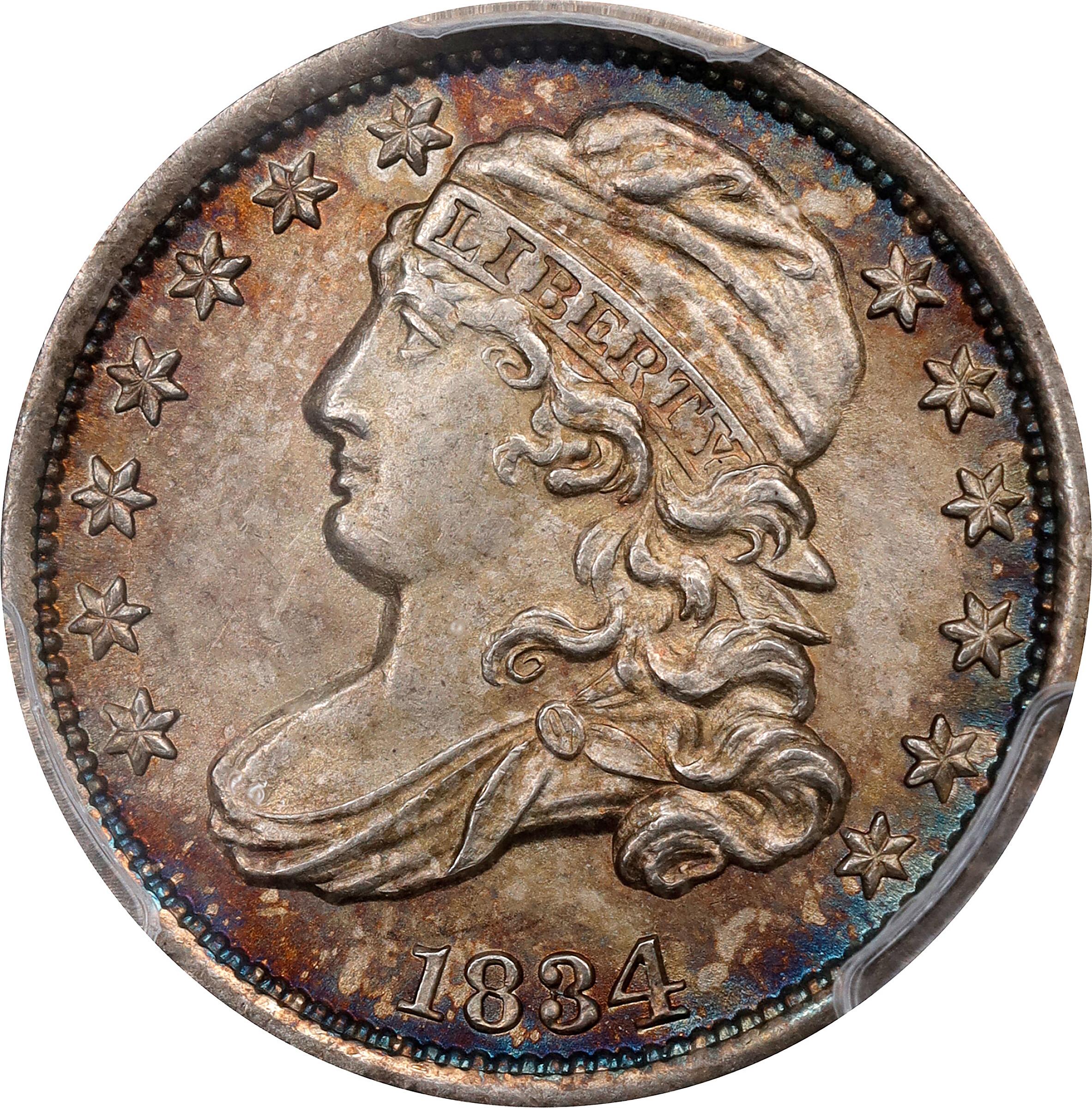
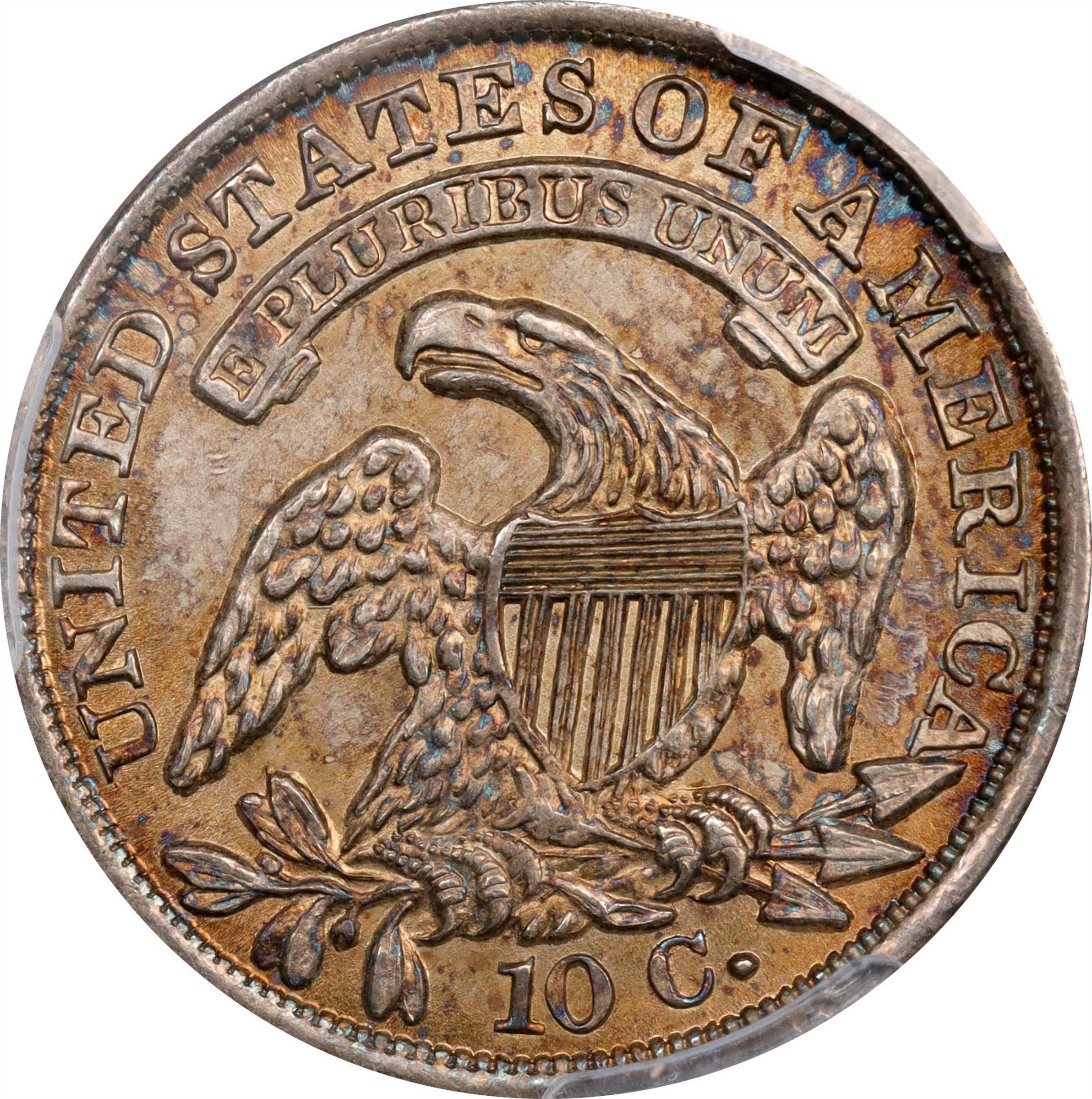
On March 25, 2021, Stack’s Bowers auctioned a CAC approved MS-65 grade 1831 for $7,800. On July 17, 2025, Heritage sold a CAC approved MS-65 grade 1832 for this same price, $7,800.
On Jan. 11, 2023, Heritage auctioned a CAC approved MS-66 grade 1829 for $24,000. On Feb. 9, 2023, Heritage auctioned two CAC approved MS-66 grade type #4 dimes, an 1835 for $19,800 and an 1837 for $21,000.
It is hard to evaluate CAC approved MS-66 grade type #4 dimes, 1829-37. I am skeptical of the accuracy of all major price guides in regard to these. A collector who feels that he or she must have a MS-66 or higher grade representative of this type should consult an expert.
Type #1 – Draped Bust, Small Eagle (1796-1797)
Some historical background about early U.S. dimes is put forth in my article on assembling a type set of circulated bust dimes. Before 1800, the vast majority of U.S. citizens were not thinking of coins or any monetary units in terms of a decimal system. The idea of a dime was considered awkward, annoying or even ridiculous. Therefore, dimes were not produced in substantial quantities until 1805.
Until 1796, there were no dimes. U.S. half dimes, half dollars and silver dollars were all first struck in 1794. Before 1805, the mintage of U.S. silver dollars was far greater than the mintages of each of the other silver denominations. Silver dollars were demanded by banks, which could not rely exclusively upon Spanish coins, especially since some payments in the U.S. were legally required to be in U.S. coins. Before 1805, very few quarters were minted, and half dollars were produced to a lesser extent than U.S. silver dollars; Two Reales and Four Reales coins of the Spanish Empire then served as quarters and half dollars in commerce in the United States.
For many years, dimes were not a priority because they did not fit into the Spanish or British systems. The U.S. coinage system was gradually accepted over a period of decades.
The Draped Bust, Small Eagle dime (type #1) lasted for just two years, 1796 and 1797. The corresponding type of half dollars lasted for the same two years. Draped Bust, Small Eagle quarters lasted for just one year, 1796, and U.S. quarters were not minted again until 1804!
In MS-64 to -66 grades, 1797 dimes are much rarer than 1796 dimes. A collector cannot count upon ever having a fair chance to buy a CAC approved MS-64 to -66 grade 1797 dime. Collectors who have unsuccessfully sought a MS-64 to -66 grade 1796 dime may wish to settle for a MS-63 grade 1796, of which five have been approved by CAC. Other 1796 dimes may be CACG graded MS-63 in Virginia Beach in the future.
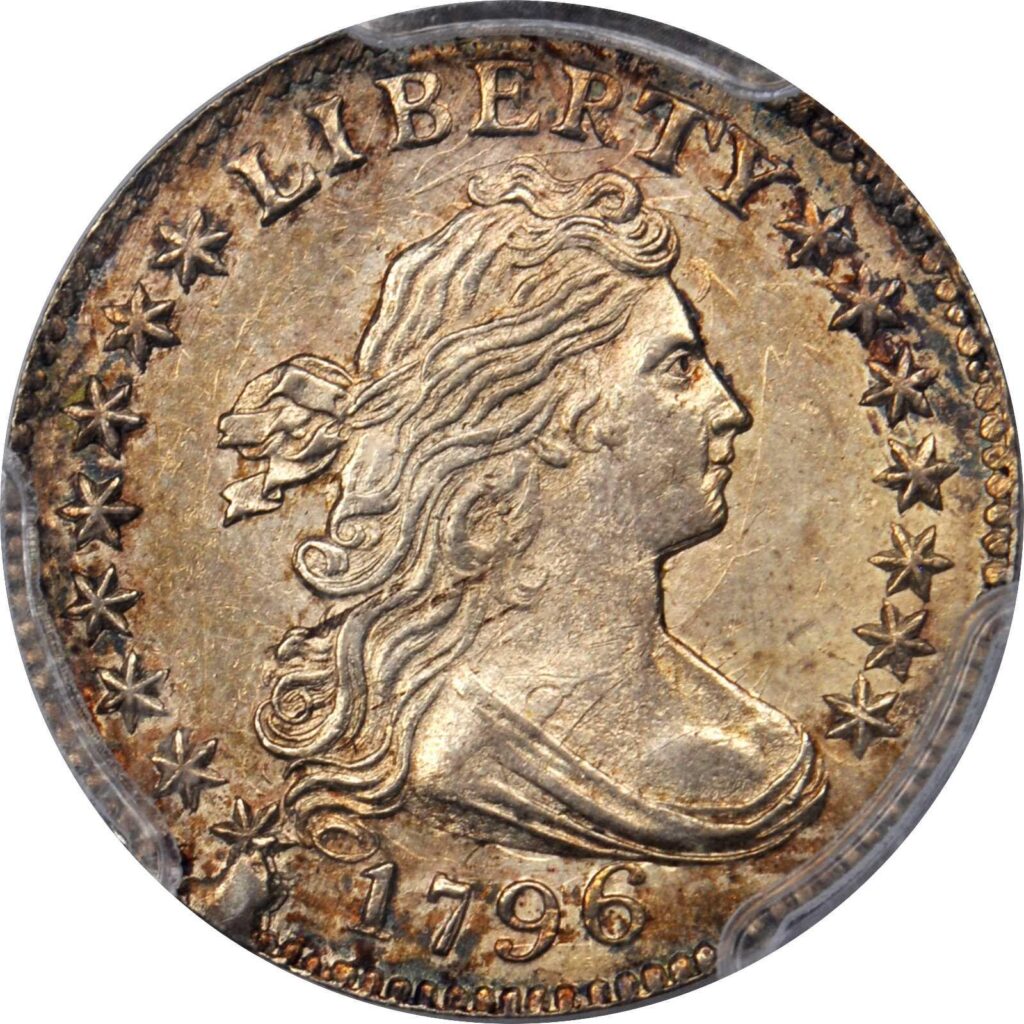
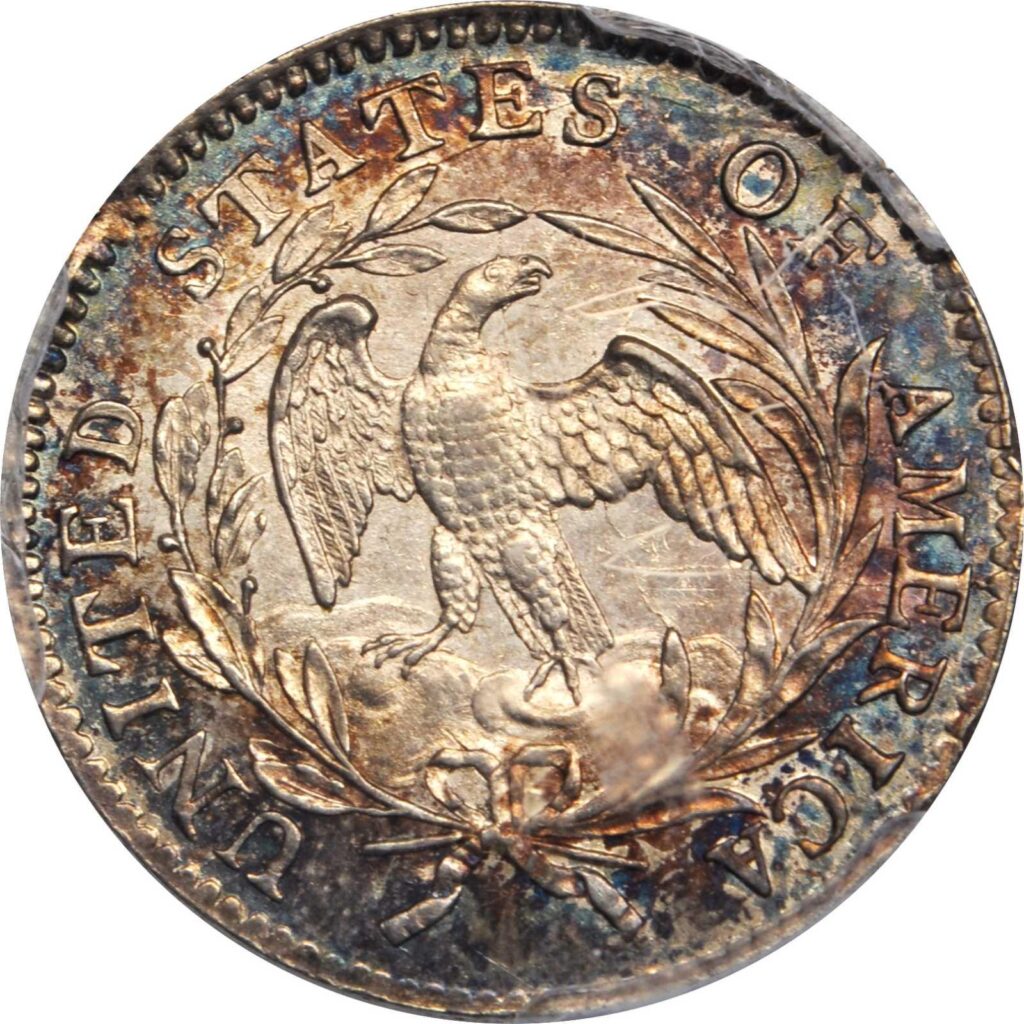
On Oct. 2, 2025, Heritage auctioned a CAC approved, NGC graded MS-63 1796 dime for $44,526. Back on Aug. 3, 2017, Stack’s Bowers auctioned a CAC approved, PCGS graded MS-63 1796 dime for $41,125, certainly a retail price at the time. This coin was great for the grade, with bright centers and colorful toning in the outer fields. Indeed, this 1796 dime was technically sound and very pleasing overall.
On Aug. 26, 2025, Heritage sold a CAC approved MS-64 grade 1796 for $69,000. During 2025, the Greysheet-CAC top-wholesale estimate has been in the range of $63,000 to $67,500. Retail levels were and still are considerably higher.
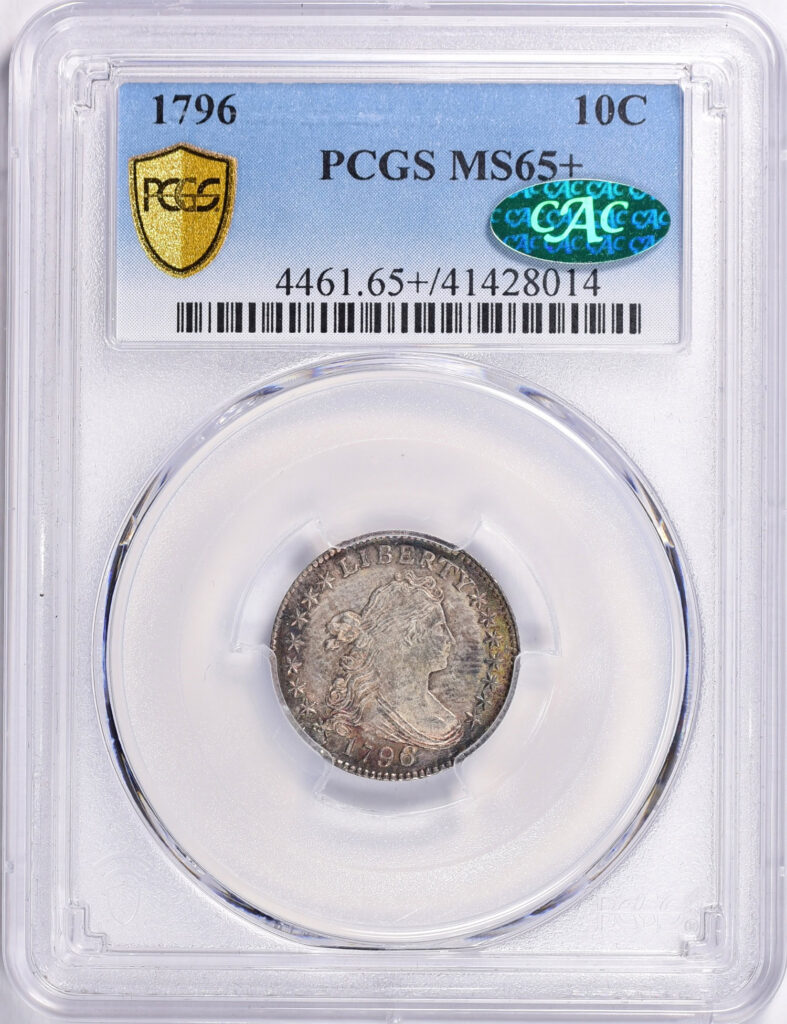
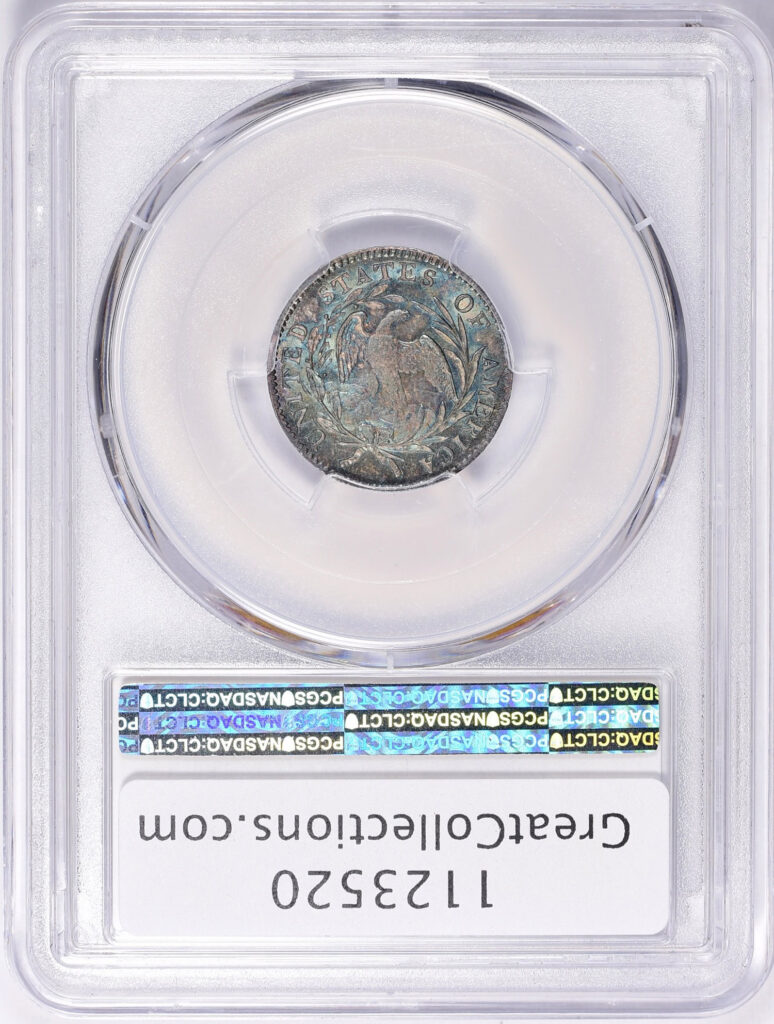
On March 20, 2022, GreatCollections sold a PCGS graded MS65+ 1796, with a CAC sticker, for $126,500. On Sept. 14, 2025, GreatCollections sold a PCGS graded MS66+ 1796 dime, with a CAC sticker, for $242,000. That same coin was earlier in the Pogue Family Collection and was auctioned by Stack’s Bowers, in association with Sotheby’s, on May 19, 2015, for $234,000.
Many collectors would feel more comfortable purchasing a MS-63 grade 1796 dime for less than $50,000 rather than a MS-66 grade coin for more than $200,000. Such a decision, though, is a function of the budget, objectives, and personality of the individual collector. Also, a type set of nineteenth century silver dimes would not require a type #1 (1796-97) coin.
Type #2 – Draped Bust, Large Eagle (1798-1807)
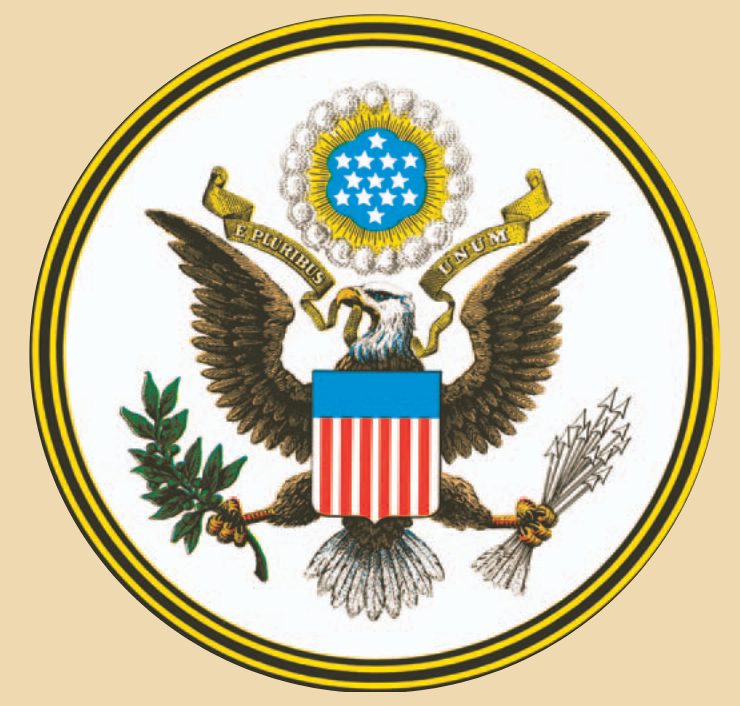
These are often called ‘Heraldic Eagle’ reverse dimes. National and societal symbols have been central to the designs of most coins for more than two thousand years. The Bald Eagle is the national bird of the United States, and a particular representation of this bird is central to the design of the Great Seal of the United States. The ‘Large Eagle’ design elements that were adopted for U.S. coin denominations from 1796 to 1804 are patterned after the eagle of the Great Seal of the United States, which is an heraldic representation of the national bird.
The least expensive Draped Bust, Large Eagle dimes in a given grade are usually dated 1805 or 1807. The 1798/97 overdate with sixteen stars on the reverse is the next lowest priced of all the major varieties of type #2 dimes. In MS-64 to -66 grades, the remainder of the dates are much more expensive than those three.
On Oct. 2, 2025, Heritage sold a CAC approved MS-64 grade 1798/97 dime for $30,000. On March 26, 2024, Stack’s Bowers auctioned a PCGS graded MS-64+ 1798/97 dime, with a CAC sticker, for $34,800. Both coins are of the variety with sixteen stars on the reverse.
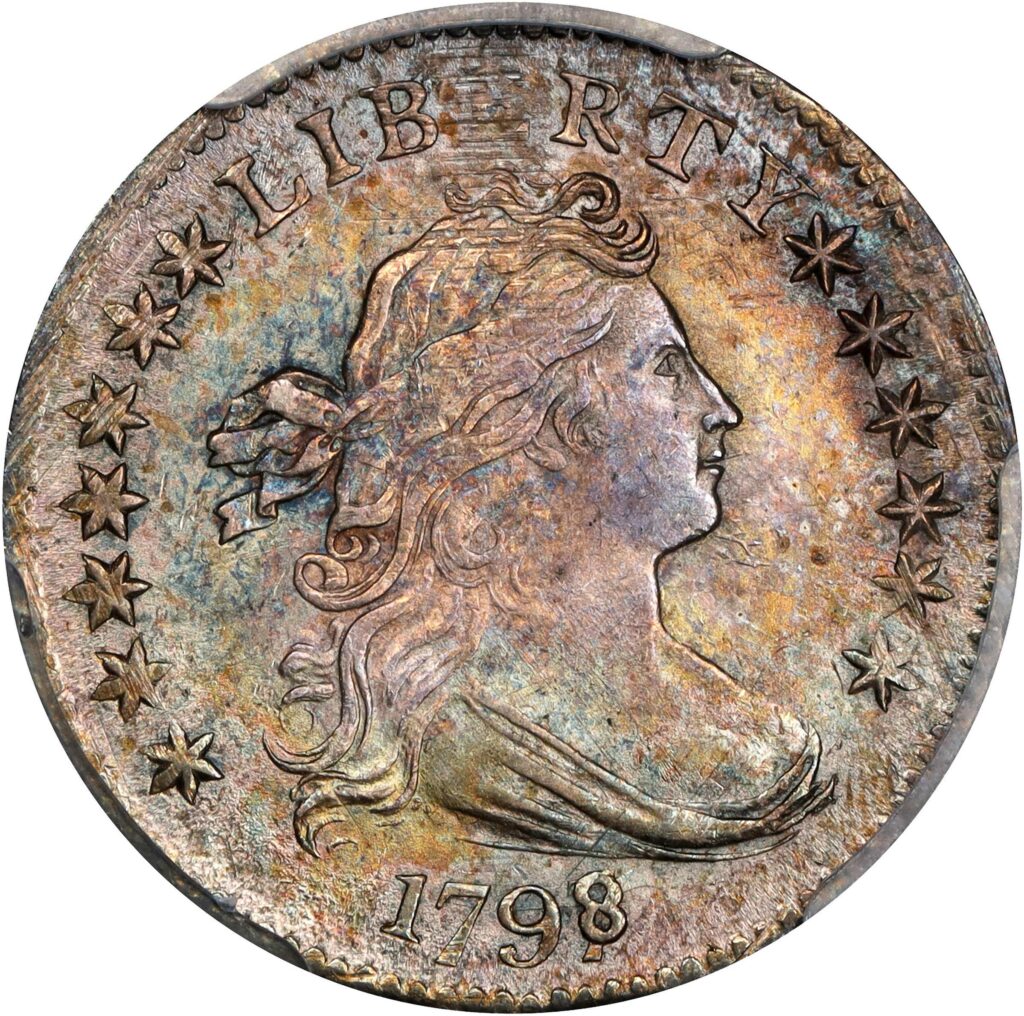
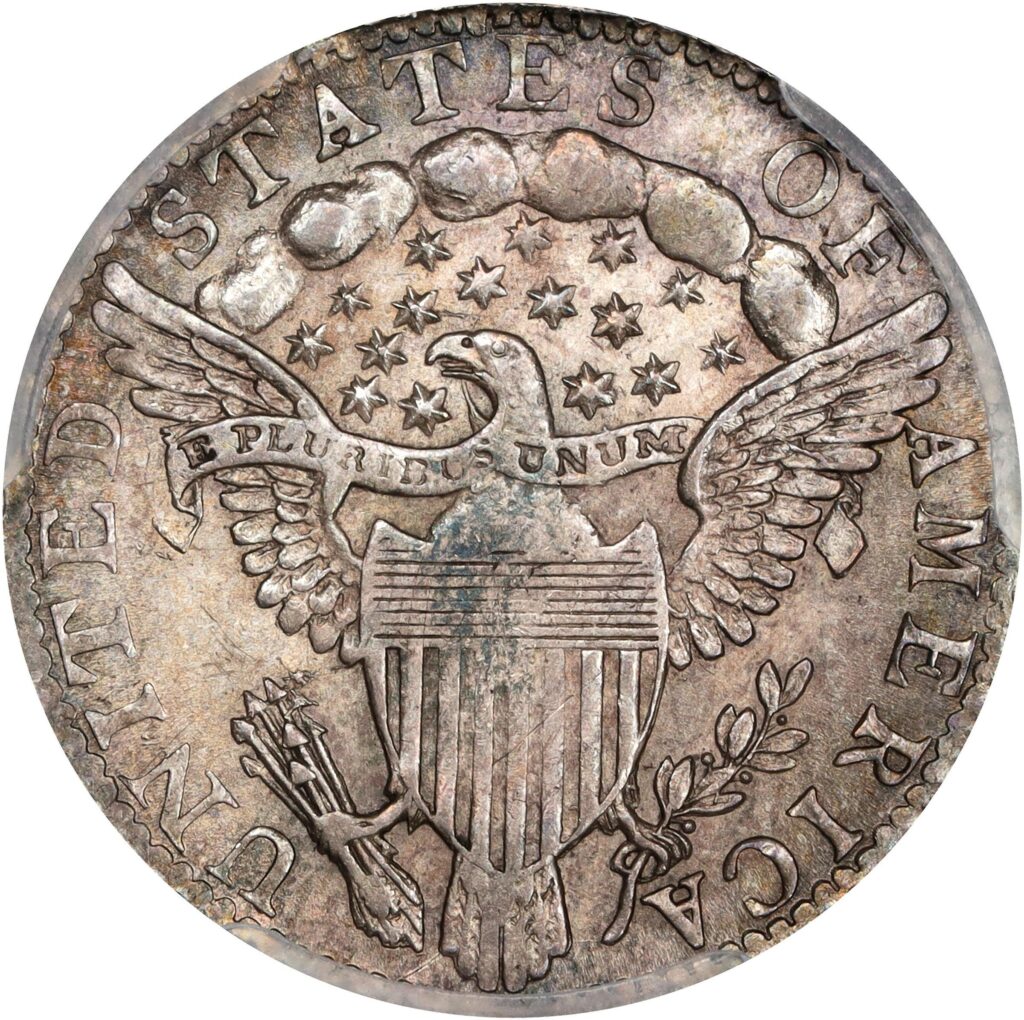
On Jan. 11, 2023, Heritage sold a CAC approved MS-64 grade 1807 dime for $20,400. It was consigned by Tom Bender, who formed a fabulous collection of bust and Liberty Seated dimes and half dimes.
The CPG-CAC retail price estimate for a MS-64 grade 1798/97 sixteen star reverse dime is $36,000. The CPG-CAC retail estimate for a MS-64 grade 1805, with four berries, or a MS-64 grade 1807 is $22,500. In my view, these are fairly accurate estimates, though a collector may pay more or less in actuality.
The values of MS-65 grade type #2 dimes are much higher than the values of MS-64 grade coins of the same dates and varieties. On Aug. 24, 2022, Heritage sold a CAC approved MS-65 grade 1805 dime, with four berries, for $39,600. On April 27, 2023, Legend auctioned a CAC approved MS-65 grade 1807 dime for $58,750.
A budget-minded collector should think about an affordable collecting plan or simply buy coins that he or she can easily afford. To be meaningful and enjoyable to assemble, a type set need not feature representatives of all types from the 1790s to the present. There are logical variants and subsets.
While I like the idea of a nineteenth century type set of dimes, others may wish for their sets to begin with Capped Bust or Liberty Seated dimes. An idea for a very inexpensive mini-project may be found in my discussion about assembling a type set of twentieth century silver dimes. In the context of the history of U.S. coinage, it is important for a collecting project to be affordable, enjoyable and meaningful. There are many practical options.
Copyright © 2025 Greg Reynolds
About the Author
Greg is a professional numismatist and researcher, having written more than 775 articles published in ten different publications relating to coins, patterns, and medals. He has won awards for analyses, interpretation of rarity, historical research, and critiques. In 2002 and again in 2023, Reynolds was the sole winner of the Numismatic Literary Guild (NLG) award for “Best All-Around Portfolio”.
Greg has carefully examined thousands of truly rare and conditionally rare classic U.S. coins, including a majority of the most famous rarities. He is also an expert in British coins. He is available for private consultations.
Email: Insightful10@gmail.com
Suggested Articles